The Moongate Cafe serves food and drinks inspired by the traditions and cultures of Asia. The cafe is located in the East Building (Arthur M. Sackler Gallery) pavilion, where it looks out onto the Moongate Garden, a unique and beautiful corner of the Enid A. Haupt Garden. The cafe’s serene atmosphere will invite you to reflect and recharge in this oasis amid the hustle and bustle of the National Mall.

-

Origins and Inspiration
Read Blog PostRead about the ethos driving the cafe as well as its inspirations in cuisine, art, design, and architecture.
Thoughtful Design
-

Mah Jong Couch and Table
Settle into this modular couch and table set inspired by the Chinese tile game mahjong and designed by Hans Hopfer. Kenzo Takada composed the richly detailed, multi-patterned fabrics, drawing inspiration from ancient Japanese kimonos used in noh theater.
-

Leeway Chairs
Keichi Takeuchi designed the gracefully minimalist Leeway Chair to support maximum freedom. Its crescent-shaped, solid wood backrest supports the side-to-side movements people make when socializing and collaborating.
-

Edito Armchairs
The Edito armchair's innovative, fluid, and organic shape was created by Sacha Lakic. Contained dimensions and outstanding comfort make this chair both stylish and playful.
Meet Chef Risé Namiki
Born in Sakae, Japan, Risé graduated from the Culinary Institute of America in 2009. She began her career in catering in New York with the culinary collective Abigail Kirsch before running her own private catering company. Risé then spent eight years with Ritz-Carlton in Kapalua, Maui, and Amelia Island Plantation, and also worked with the NFL’s Jacksonville Jaguars. In February 2020, Risé joined Jacksonville University, where she excelled in cooking demonstrations for homecoming and introduced the popular Sushi Hour at Riverview Dining Hall. In 2023, she brought her culinary expertise to Washington, DC, joining Georgetown University. Today, Risé is the Chef at the Moongate Cafe at the Smithsonian’s National Museum of Asian Art, where she celebrates Asian cuisine and creates memorable dining experiences for guests.

-
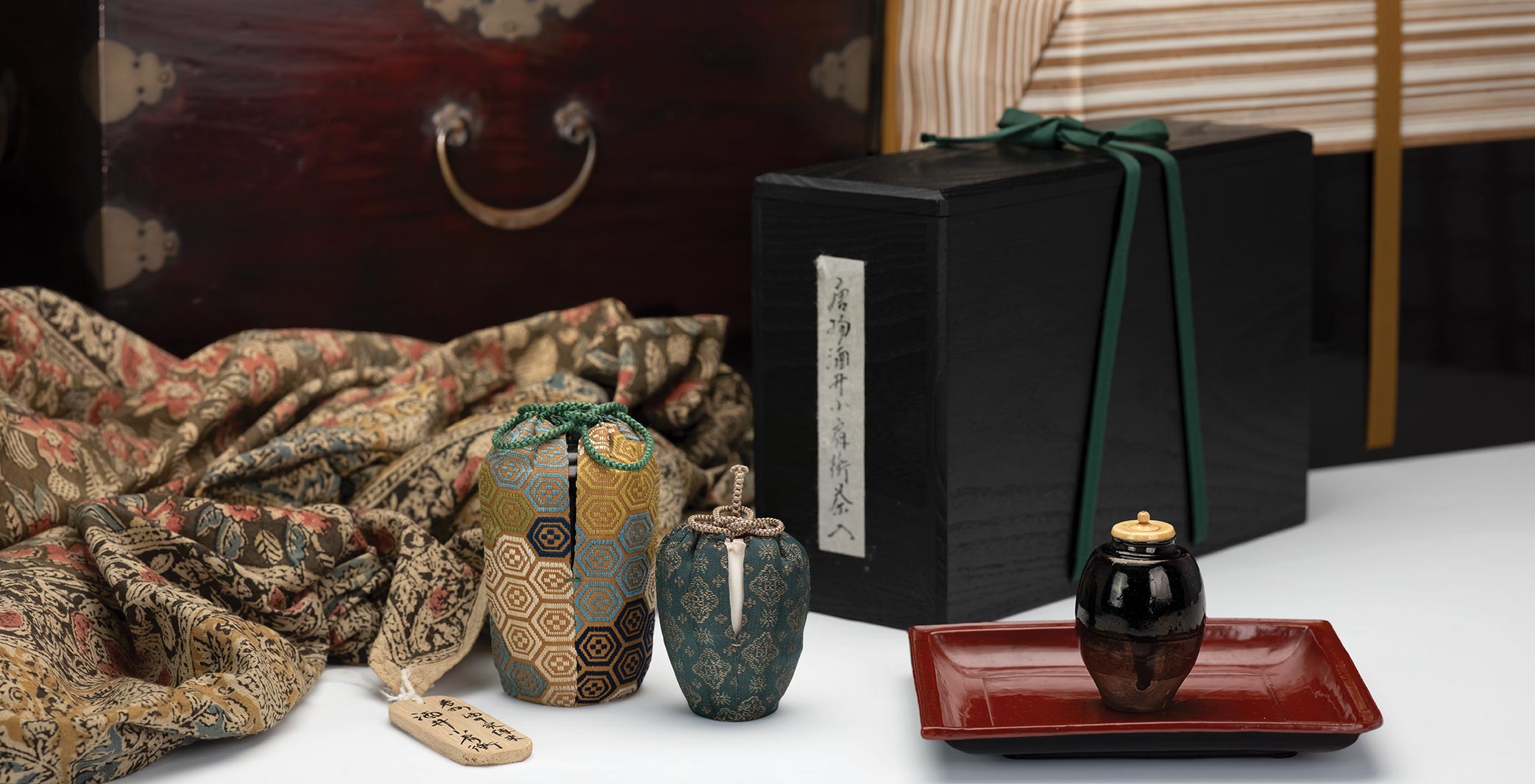
Reasons to Gather: Japanese Tea Practice Unwrapped
View ExhibitionApril 12, 2025–April 26, 2026
This exhibition presents eleven historic tea utensils and accessories that accumulated significance over generations of use at tea gatherings.
-

Knotted Clay: Raku Ceramics and Tea
View ExhibitionDecember 9, 2023–2026
This exhibition explores the distinctive, hand-molded ceramics called Raku ware and their close relationship to Japanese tea culture.
-

Feast Your Eyes: A Taste for Luxury in Ancient Iran
View ExhibitionOngoing
The wealth and power of ancient Iran was in part expressed in portable luxury objects fashioned from precious metals and decorated with royal imagery. Silver vessels, including bowls, goblets, plates, and ewers, graced imperial banqueting tables, where they inspired awe and commanded respect in friends and foes alike.
-
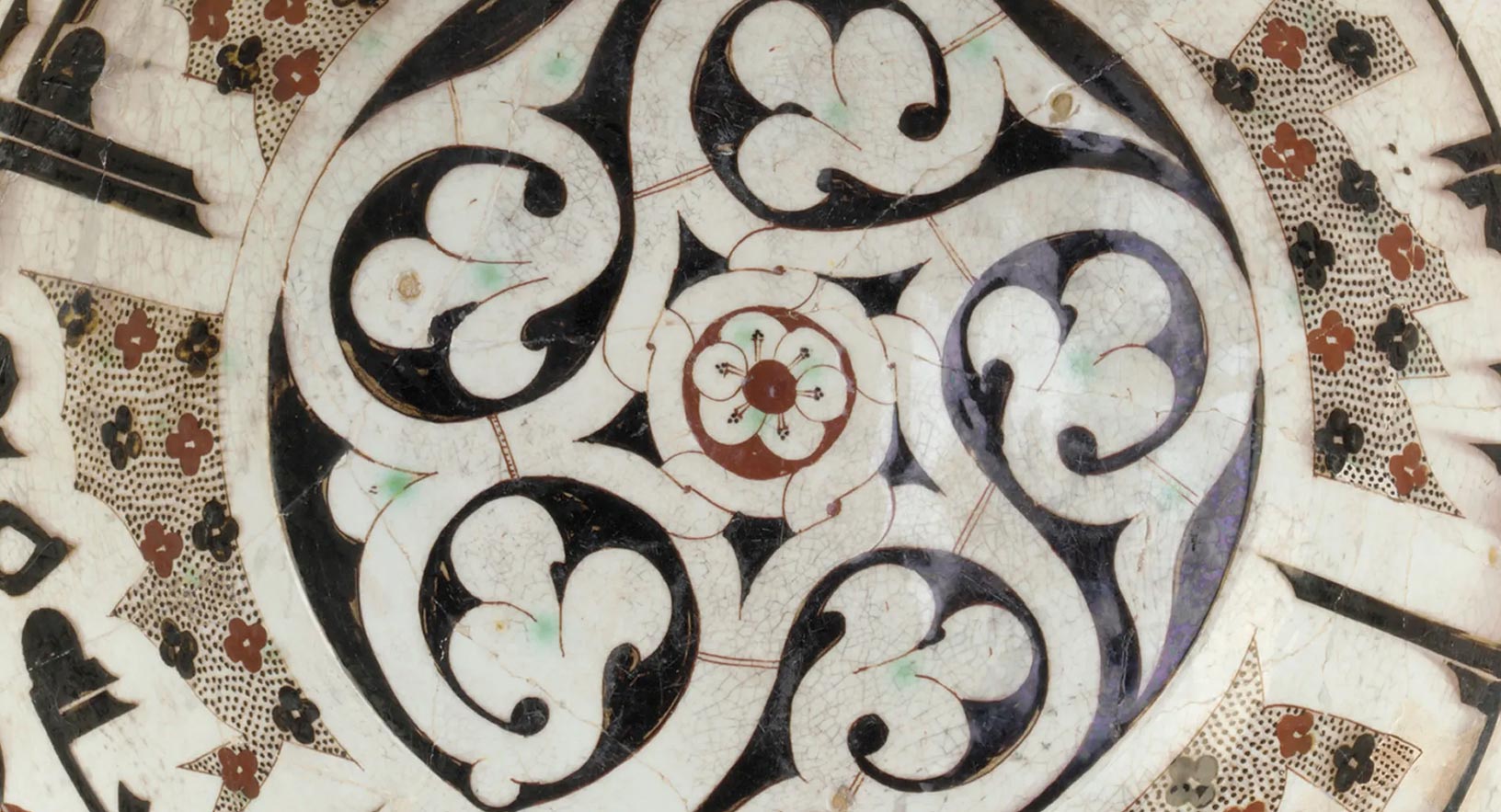
Engaging the Senses: Arts of the Islamic World
View ExhibitionOngoing
According to classical and Arab philosophy, the five outer senses—sound, sight, taste, touch, and smell—are directly connected to the inner senses that define us as human beings: understanding, imagination, and memory.
More to Explore


Stay Connected
Get the latest updates and announcements about everything that's going on at the museum.