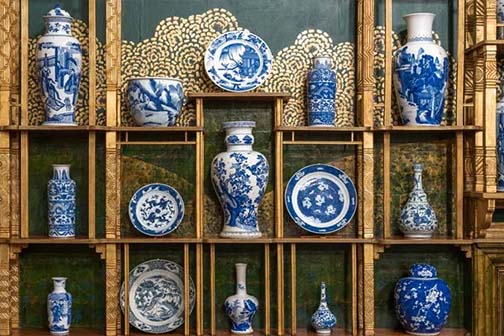
The Peacock Room has captivated visitors at the Freer Gallery of Art since its opening in 1923. Originally designed by artist James McNeill Whistler to showcase a Chinese blue-and-white porcelain collection, the room marries its avian motif with a striking use of color inspired by the arts of East Asia. Take a virtual step inside and experience this immersive work of art, explore the controversy around its creation, and trace the room’s travels from London to Detroit to Washington, DC. Join us to learn more about how the Peacock Room is cared for in its permanent home and delve deeper with an array of additional resources.

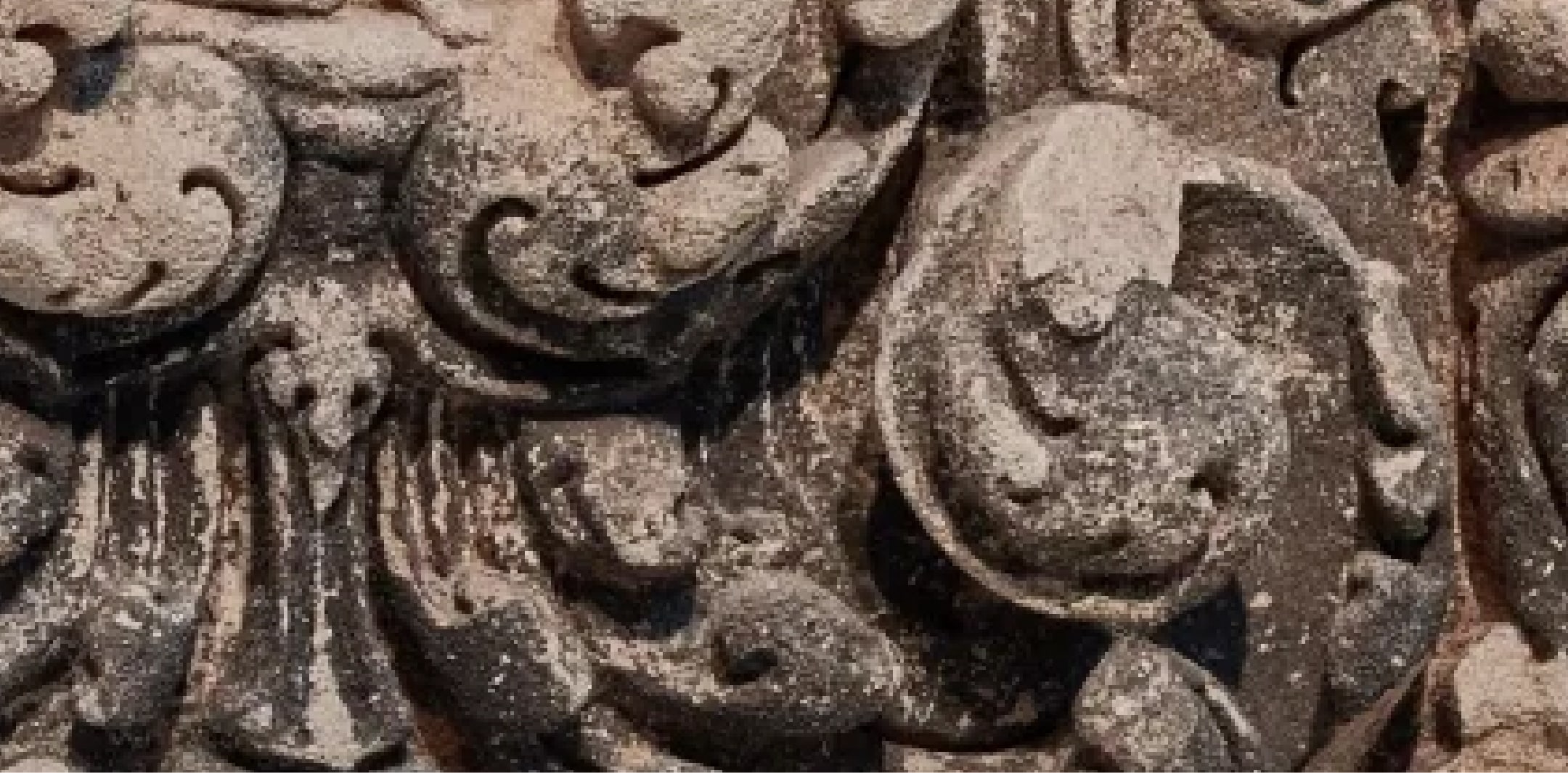
The History of the Room
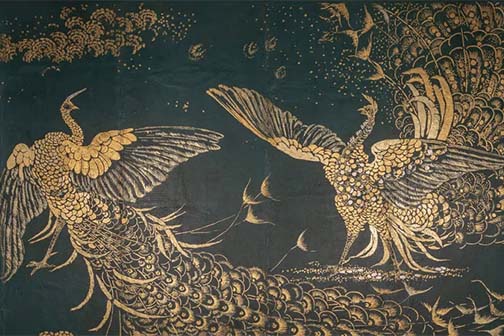

Conserving the Peacock Room
In the summer of 2022, James McNeill Whistler’s masterpiece underwent its first major conservation work in thirty years.
Prior to this, the Peacock Room had undergone two large-scale conservation projects during its time in Washington, DC: first in the 1940s and then in the early 1990s, when a team of ten conservators and scientists performed in-depth scientific analysis and conservation treatment over a four-year period. Their work brought to light significant artistic details that had been obscured by use, pollution, light exposure, environmental changes, and earlier treatments.
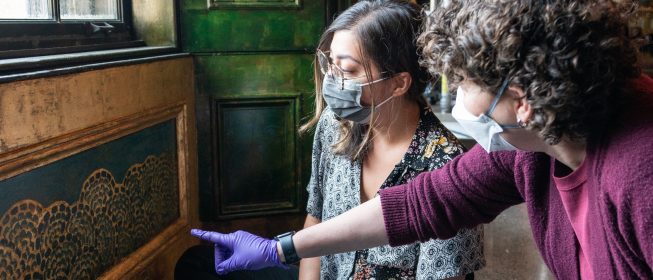
As one of the museum’s most visited spaces, this remarkable room had accrued its share of wear and tear since its last treatment. This year’s project focused on cleaning all of the painted and gilded surfaces as well as on stabilizing the shutters, which are occasionally opened to visitors so they can experience the space in daylight. Museum conservators documented their work on this important project in the posts below.


Your Support Amplifies the Power of Art
You can ensure our collections, programs, and resources remain free and accessible to everyone, around the world.